
"grow out of there."
10000 article(s) found

Ethiopian coffee flavor Ethiopian coffee characteristics Ethiopian coffee taste
Ethiopia has unique natural conditions suitable for growing all imaginable varieties of coffee. As a upland crop, Ethiopian coffee beans are mainly grown in areas between 1100 and 2300 meters above sea level, roughly distributed in southern Ethiopia. Deep soil, well drained soil, weakly acidic soil, laterite and soil are soft and contain
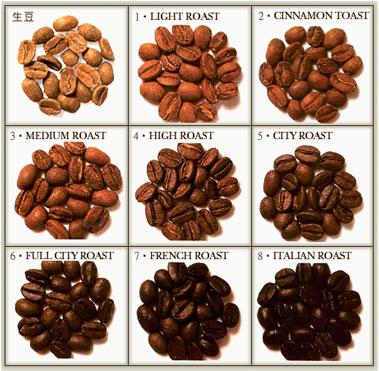
Natural fermented Ethiopian coffee flavor, characteristics, taste and estate
Ethiopia is blessed with natural conditions for growing all conceivable varieties of coffee. Ethiopia's coffee beans are mainly grown as highland crops in areas with altitudes of 1100-2300 meters above sea level, roughly distributed in southern Ethiopia. Deep soil, well-drained soil, weakly acidic soil, laterite and soft soil containing
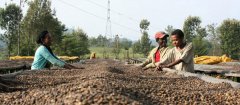
Flavor, characteristics, taste and manor introduction of naturally fermented Ethiopian coffee
Ethiopia has unique natural conditions suitable for growing all imaginable varieties of coffee. As a upland crop, Ethiopian coffee beans are mainly grown in areas between 1100 and 2300 meters above sea level, roughly distributed in southern Ethiopia. Deep soil, well drained soil, weakly acidic soil, laterite and soil are soft and contain

Growing in Malaba Coffee Manor in the southern part of Rwanda, Lutshilo in the western province of Chimar Manor.
Malaba Coffee grows in southern Rwanda, about 12 kilometers (7 miles) from the city of Butare and 150 kilometers (93 miles) from the capital, Gejali. The plan began in the Malaba area of Butare province, but was taken over by a local government organization in 2006, which is now part of the Huye district of the southern province. Due to its proximity to the East African Rift Valley and the Neuenway Forest Mountains, the terrain

Yemeni coffee history Yemeni coffee growing conditions Yemeni coffee beans characteristics
For information, please pay attention to Coffee Workshop (Weixin Official Accounts cafe_style) Yemen Coffee, a well-known coffee named after a port in Yemen. Mocha coffee is the most familiar. When the word appears separately on a package and a cafe menu, it refers to something different. The former refers to the port where coffee beans are exported, while the latter refers specifically to a coffee. Strictly speaking, from Yemen
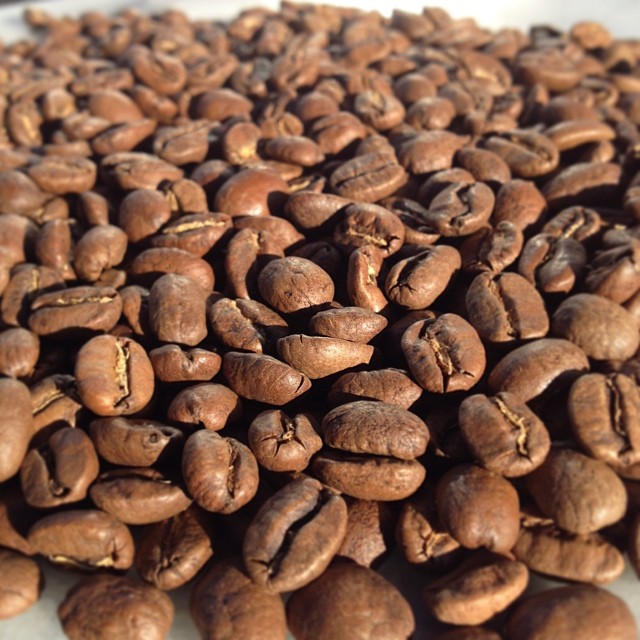
Natural fermentation and Solar Ethiopian Coffee Flavor, characteristics, texture and Manor introduction
Ethiopia has unique natural conditions suitable for growing all imaginable varieties of coffee. As a upland crop, Ethiopian coffee beans are mainly grown in areas between 1100 and 2300 meters above sea level, roughly distributed in southern Ethiopia. Deep soil, well drained soil, weakly acidic soil, laterite and soil are soft and contain

Natural fermented and mellow Ethiopian coffee flavor, characteristics, taste and manor introduction
Ethiopia has unique natural conditions suitable for growing all imaginable varieties of coffee. As a upland crop, Ethiopian coffee beans are mainly grown in areas between 1100 and 2300 meters above sea level, roughly distributed in southern Ethiopia. Deep soil, well drained soil, weakly acidic soil, laterite and soil are soft and contain

What are the local conditions? How is coffee naturally affected by climate, soil, etc.?
We often hear the word "local conditions" when we talk about coffee, but what exactly does it mean? Does it have anything to do with the flavor of coffee? Why do we need to care about the local environment? The author interviewed some people in the coffee and wine industries and asked them to tell you what was going on in the country. What are the local conditions? The word vernacular conditions comes from the French Terroir, which is most commonly used when talking about wine.
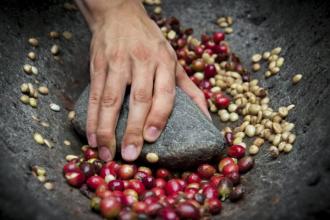
With unique natural conditions, Ethiopian coffee flavor, characteristics, taste and manor introduction
Ethiopia has unique natural conditions suitable for growing all imaginable varieties of coffee. As a upland crop, Ethiopian coffee beans are mainly grown in areas between 1100 and 2300 meters above sea level, roughly distributed in southern Ethiopia. Deep soil, well drained soil, weakly acidic soil, laterite and soil are soft and contain

Introduction to the characteristics of taste and flavor of Pu'er coffee. How much is Pu'er coffee? is Pu'er coffee good?
Professional coffee knowledge exchange more coffee bean information Please follow the coffee workshop (official account cafe_style of Wechat) when it comes to Pu'er, people's first reaction is mostly tea. But in fact, in addition to tea, coffee is also one of the very important local agricultural products, regardless of history or quality, are worth talking about. The history of coffee cultivation in Yunnan can be traced back to hundreds of years ago. It is said that at that time

Blue Mountain Coffee Unique Flavor Making Method Source
The secret of why Blue Mountain coffee tastes pure: their coffee trees all grow on rugged hillsides, and the picking process is very difficult, and non-local skilled women workers simply cannot do it. It's important to pick coffee beans that are ripe, as immature or overripe can affect the quality of coffee. The beans are shelled the same day and allowed to ferment for 1218 hours.

Can I grow coffee in China? Technical record of Seedling, planting and Shade cultivation in Qianjie Coffee Plantation
Professional coffee knowledge exchange more information about coffee beans Please follow the coffee workshop (Wechat official account cafe_style) what are the fruits and seeds of coffee? What the coffee beans look like. Nursery preparation: attention should be paid to shading effect in nursery selection. Seedlings exposed to direct sunlight are easy to die and reduce the survival rate. Therefore, the nursery must have shading equipment, shading materials can

Cultivation technique of small-grain coffee: integral pruning
Cultivation technique of small-grain coffee: integral pruning. Single trunk plastic surgery is a method of cultivating a trunk, using the primary branch as the backbone branch and the secondary and tertiary branches as the main fruiting branch.

After buying out the shares in southern China, COSTA also wants to operate wholly in China after Starbucks
Professional baristas Please follow the Coffee Workshop (Wechat official account cafe_style) competitor Starbucks has become fully owned in China, costa has also begun to seek full investment in order to achieve more flexible development in the Chinese market. On October 10, COSTA parent company UK Whitbread Group announced that COSTA acquired Jiangsu Yueda Group (hereinafter referred to as Yueda Group) for RMB 310 million.

What are the local conditions? How will coffee be affected under these conditions?
Professional coffee knowledge exchange more coffee bean information please follow the coffee workshop (Wechat official account cafe_style) We often hear the word "local conditions" when talking about coffee, but what exactly does "local" mean? Does it have anything to do with the flavor of coffee? Why do we need to care about the local environment? The author interviewed some people in the coffee industry and wine industry and asked them to tell you how the local culture is.

Variety characteristics of fermented Natural Solar Ethiopian Coffee introduction to Fine Coffee Bean in Manor
Ethiopia has unique natural conditions suitable for growing all imaginable varieties of coffee. As a upland crop, Ethiopian coffee beans are mainly grown in areas between 1100 and 2300 meters above sea level, roughly distributed in southern Ethiopia. Deep soil, well drained soil, weakly acidic soil, laterite and soil are soft and contain
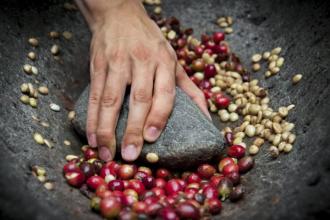
Taste characteristics of Solar fermented Natural Ethiopian Coffee introduction to Fine Coffee Bean in Manor
Ethiopia has unique natural conditions suitable for growing all imaginable varieties of coffee. As a upland crop, Ethiopian coffee beans are mainly grown in areas between 1100 and 2300 meters above sea level, roughly distributed in southern Ethiopia. Deep soil, well drained soil, weakly acidic soil, laterite and soil are soft and contain
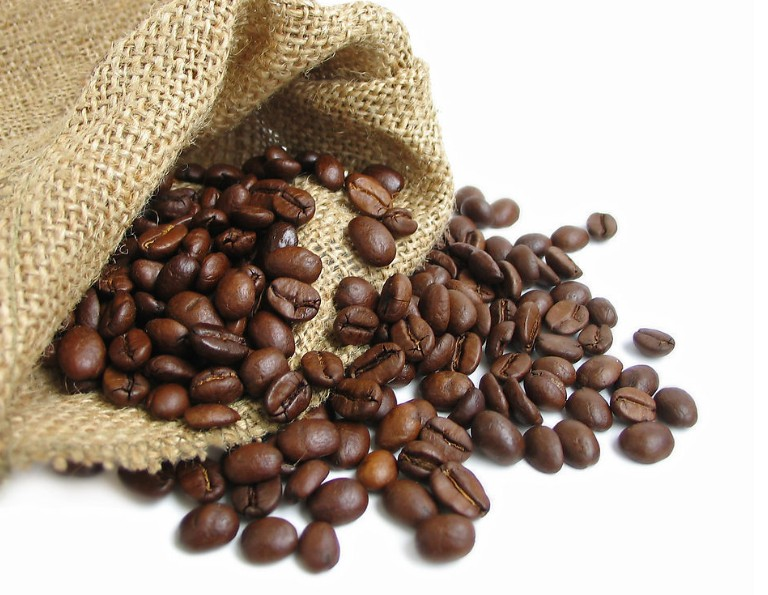
Natural fermentation, mellow and sun-dried Ethiopian coffee flavor, characteristics, taste and manor introduction
Ethiopia has unique natural conditions suitable for growing all imaginable varieties of coffee. As a upland crop, Ethiopian coffee beans are mainly grown in areas between 1100 and 2300 meters above sea level, roughly distributed in southern Ethiopia. Deep soil, well drained soil, weakly acidic soil, laterite and soil are soft and contain

Ethiopian Coffee Manor-the country with the largest variety of coffee in the world-Ethiopia
For the exchange of professional baristas, please pay attention to the coffee workshop (Wechat official account cafe_style) Ethiopia is the Garden of Coffee, the hometown of Coffee, Genesis in the Bible says that the beautiful space where Adam and Eve first lived was the Garden of Eden, where God placed the man he made so that all kinds of trees could grow out of the ground, pleasing to the eye.

Characteristics of natural fermented, mellow and insolated Ethiopian coffee varieties taste manor boutique coffee bean flavor
Ethiopia has unique natural conditions suitable for growing all imaginable varieties of coffee. As a upland crop, Ethiopian coffee beans are mainly grown in areas between 1100 and 2300 meters above sea level, roughly distributed in southern Ethiopia. Deep soil, well drained soil, weakly acidic soil, laterite and soil are soft and contain